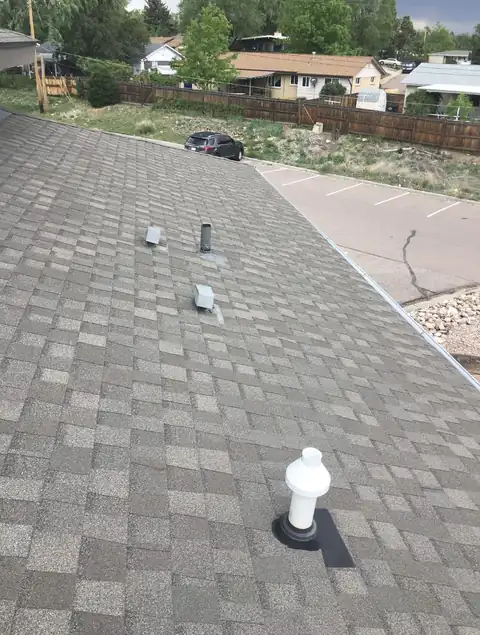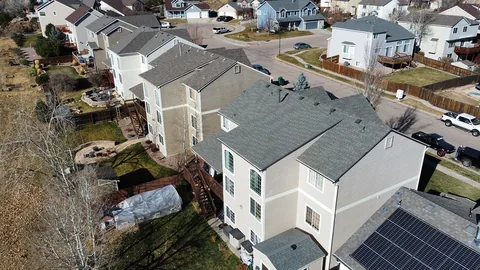
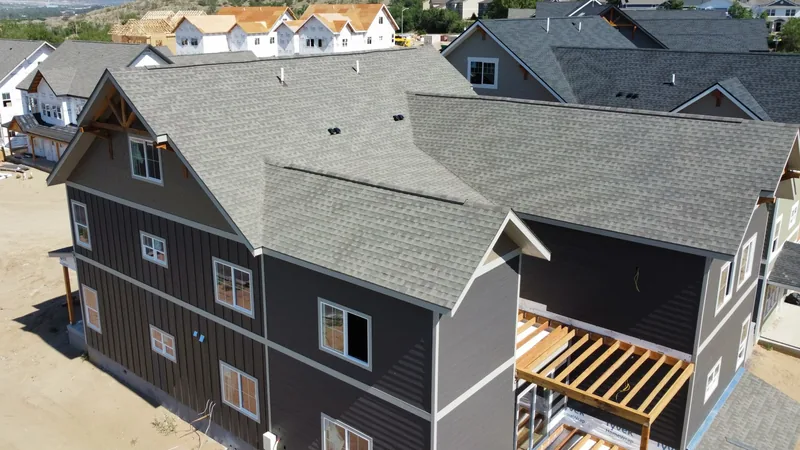
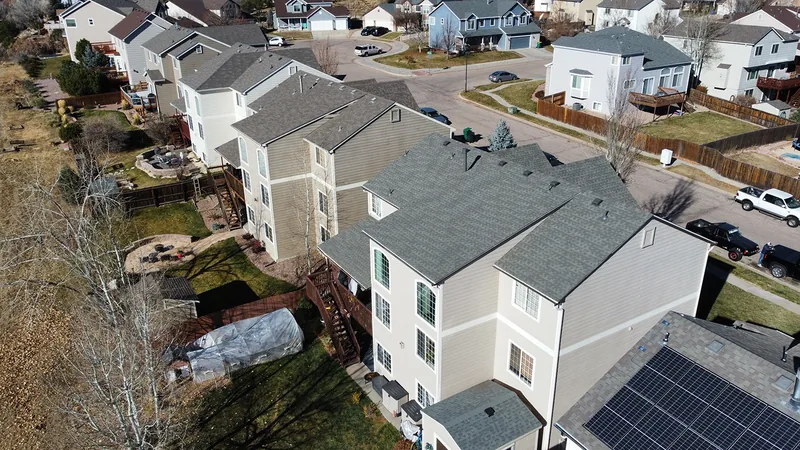
Most asphalt shingle replacements on Knoxville-area homes run $15,000 to $30,000. Where yours lands depends on the roof: how big it is, how steep, how many layers are up there now, and what's under the shingles.
The total tells you less than what's inside it. Two quotes with the same bottom line can be very different roofs. So here's each line you should see on a written price and how to hold two quotes up against each other.
Why the range is so wide
Roofs are priced by the square, the unit roofers use for roof area, and the words on a roofing estimate explains it. More roof means more squares and more money.
A few other things push the price up:
- A steep roof takes more safety gear and more time, and many crews charge more per square for it.
- A second layer of old shingles means more tear-off labor and more weight in the dumpster.
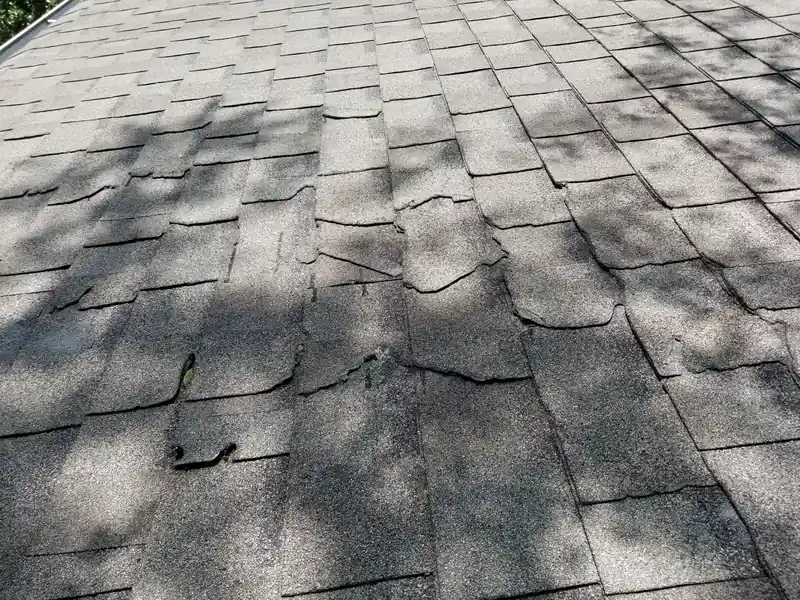
- Rotten decking adds material and labor, and nobody knows how much there is until the old shingles come off.
- A house the dumpster can't get close to, or a backyard full of landscaping, slows everything down.
- Better architectural shingle lines cost more, and they usually carry a longer manufacturer warranty.
A simple, walkable ranch with one layer and sound decking can come in under the range. A steep two-story with two layers and soft decking around the chimney can go over it.
The lines on a written price
Tear-off
This is taking the old roof off down to the deck. It's usually priced per square, with more for each extra layer. Tennessee's residential code, as UpCodes publishes it, says a roof replacement includes removing the old coverings down to the deck, and it doesn't allow a roof to go over two or more existing layers. A quote that skips tear-off is a recover, and it should say so.
Decking
Decking is the plywood or boards your roof is nailed to. Nobody can count the rotten sheets until the tear-off, so a fair quote lists a price per sheet replaced and tells you how you'll see the bad ones before they're covered. A quote that leaves decking out is where surprise charges come from.
Underlayment
This is the layer between the deck and the shingles. Synthetic underlayment and felt are the two main options. Ice and water membrane, a sticky rubberized sheet, goes in the valleys, along the eaves and around chimneys and walls where water collects. Ask what goes where. What's under your shingles walks through each layer.
Flashing
Flashing is the metal that turns water where the roof meets a wall, a chimney or a skylight, along with drip edge on the roof's edges. The question to ask is whether it's being replaced or reused. Old step flashing bent back into place is a spot where leaks like to start.
Ventilation
Your attic needs intake low, at the soffits, and exhaust high, at the ridge or through roof vents. A replacement is the easiest time to fix an attic that can't breathe. Ask what's going on top and whether there's enough intake underneath to match, because a ridge vent with no intake below it doesn't do much.
Shingles
The quote should name the manufacturer, the line and the color. It should also list the starter strip along the edges and the ridge cap along the top, since those are separate products. Pipe boots often show up on this line too.
Cleanup
This covers the dumpster, hauling the old roof away, protecting your shrubs and siding, and a magnet sweep of the yard and driveway for nails. Ask how many sweeps they do and when.
Permit
Ask whether your city or county requires a permit for a reroof at your address. If it does, the office's fee belongs on its own line, and the roofer should be the one pulling it.
How to compare two quotes line by line
Lay the two quotes side by side and go down this list. If a line is missing from one, don't assume it's included.
| Line | What a clear quote says | Ask if it's missing |
|---|---|---|
| Tear-off | Layers expected, price per square, price per extra layer | How many layers they expect, and what one more costs |
| Decking | A price per sheet | The per-sheet price, and how you'll see the bad sheets |
| Underlayment | Synthetic or felt, plus where the ice and water membrane goes | Whether valleys and eaves get membrane |
| Flashing | Replaced or reused, at each wall, chimney and skylight | Which pieces are reused |
| Ventilation | What's going on top and what's at the soffits | Whether the intake was checked |
| Shingles | Manufacturer, line, color, starter and ridge cap | Which line and which warranty |
| Cleanup | Dumpster, haul-off, magnet sweep | When the yard gets swept |
| Permit | The fee, and who pulls it | Whether one is needed at your address |
My opinion: I'd take a higher quote that lists decking per sheet over a lower one that's silent about it. The silent one has a way of growing once the old shingles are off.
Paying for it
How you pay is part of the deal. The Tennessee Department of Commerce and Insurance says that, generally, you shouldn't pay more than a third of a project's cost upfront, and that you should have the terms of payment in writing. Ask for the schedule on paper: how much at signing, how much later and when, and what has to be finished before the last payment.
If a covered storm caused the damage, your insurance may pay for much of the work, and you pay your deductible. If paying over time would help, the financing page explains what to ask any lender before you sign.
What doesn't belong on a quote
- A price that only holds if you sign today.
- An offer to cover or skip your insurance deductible.
- One lump sum with no lines under it.
- A request for a big cash deposit before any material shows up.
Any one of those is a reason to slow down. Our roof replacement page explains how we do the work, and the written price that follows a free roof inspection lists each part on its own line.
Questions
Why are two quotes for the same roof so far apart?
Usually because they aren't really for the same roof. One may include decking and flashing work the other leaves out. Line them up and the gap often explains itself.
Will my roof land in the $15,000 to $30,000 range?
That range covers most asphalt shingle replacements on Knoxville-area homes. Your roof's size, pitch, layers and decking decide where you land, and only a look at the roof gives you a real number.