Grab a pair of binoculars, a good flashlight and your phone. With those three and one clear morning, you can give your roof a proper once-over without ever climbing a ladder, and you'll have photos to compare against next year.
Stay on the ground for all of it. A roof is steep and slick and a long way up, and no shingle is worth a fall.
When to do it
Pick one day a year and put it on the calendar. We'd pick an early spring morning, after winter has done its worst and before the trees leaf out and hide the back slopes. Add an extra check after any big hail or wind storm.
What to bring
- Binoculars. Whatever pair is in the closet will do.
- A flashlight that's brighter than the one on your phone.
- Your phone, for photos.
- Last year's photos, if you took them.
The checklist, outside
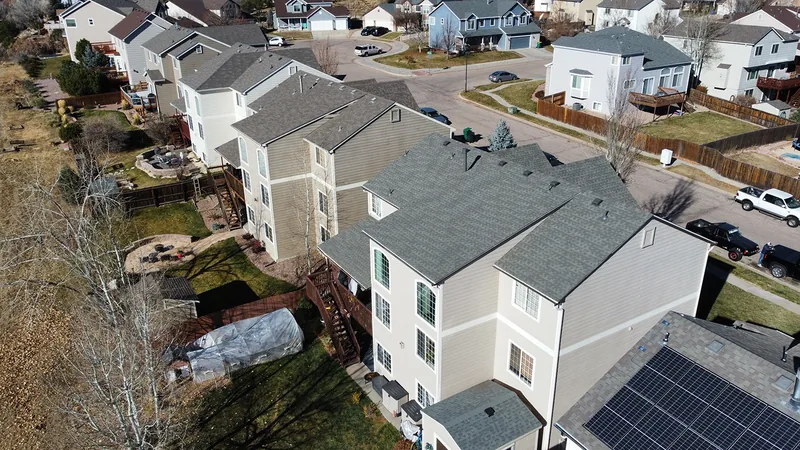
Walk around the house and stop at each corner, so you get a clear view of each slope.
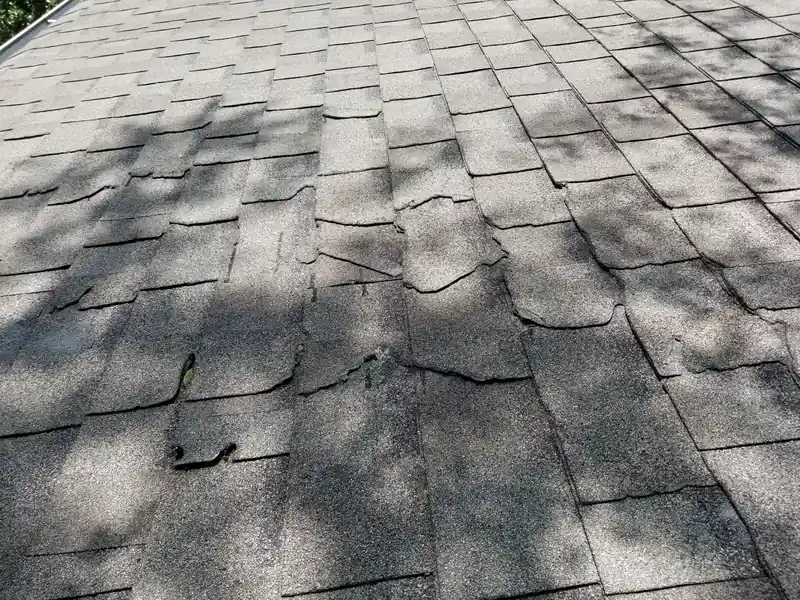
- Start at the ridge of each slope and work down with the binoculars. Look for shingles that are missing, lifted, curled or cracked, and for dark, smooth patches where the granules have worn off.
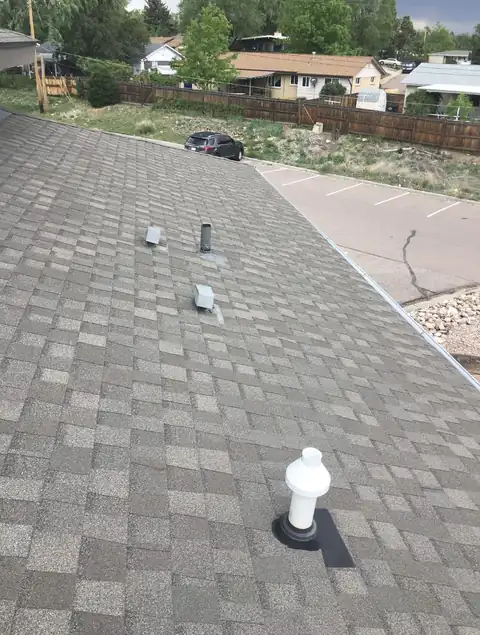
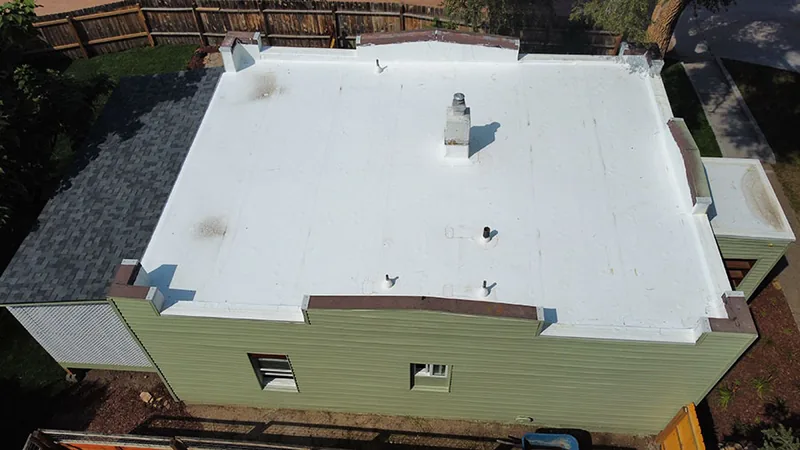
- Check the metal flashing around the chimney, vent pipes and any skylights. It should lie flat, with no gaps, no rust streaks and no caulk that's cracked and pulling loose.
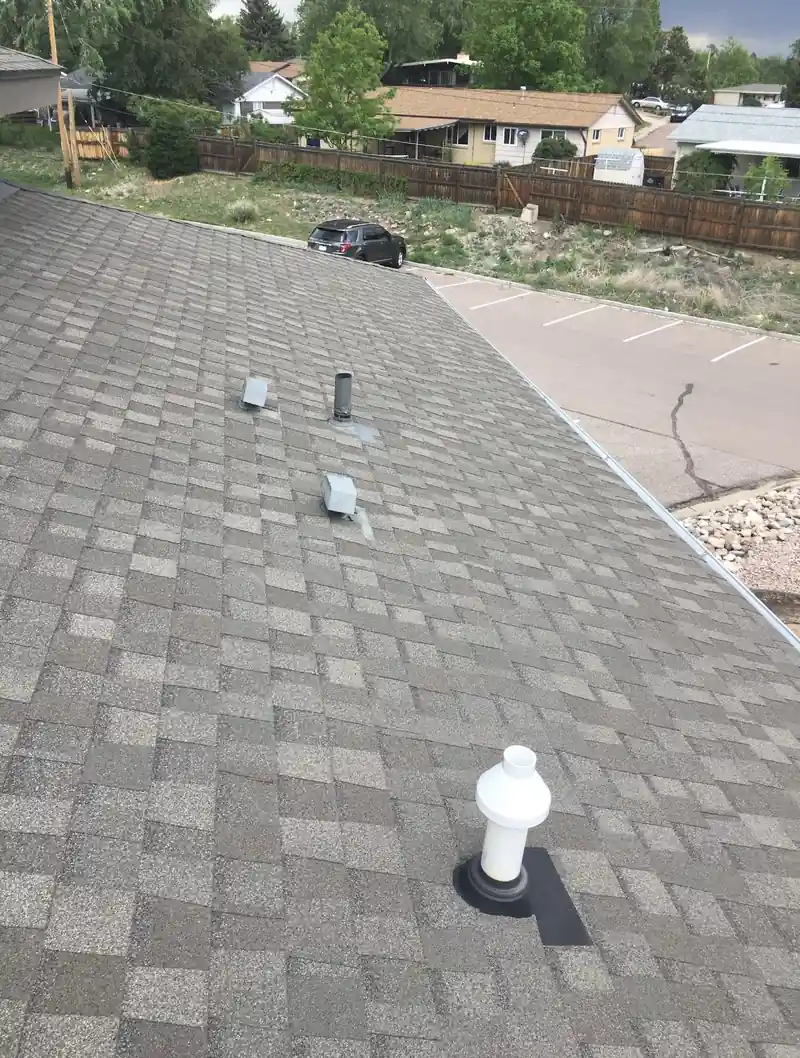
- Look at the rubber boots around the vent pipes. A cracked boot is a usual leak spot, and where roofs leak covers the others.
- Sight along the ridge and the roof edges. They should run straight. A dip or a sag needs a professional look soon.
- Look for moss, heavy dark growth, and branches touching the roof. A limb that rubs in the wind will wear through shingles.
- Check the gutters for sagging runs, sections pulling away from the house, water stains on the siding below and little piles of granules at the bottom of the downspouts. Our gutters page covers what to do if they're failing.
The checklist, in the attic
Go up the same day with the flashlight.
- Look at the underside of the roof deck for dark stains or damp spots.
- Check around the chimney and the vent pipes, where water tends to sneak in.
- Switch the light off and look for pinpoints of daylight. Some light at a ridge vent can be normal. Light around nails or between boards isn't.
- Make sure insulation isn't stuffed up against the roof deck at the eaves, where it can block the vents that let air in.
- Notice the smell. A musty attic is a damp attic.
What to photograph
- Each slope, from the same spot you used last year, so the two years line up.
- Anything that looked off through the binoculars, using your phone's zoom.
- Stains in the attic, with a tape measure in the frame so you can tell next year whether they've grown.
- The gutters and the ground at the base of each downspout.
Keep them in one album with the date on it. Next spring you'll be comparing instead of guessing.
What normal aging looks like
Not everything you find is a problem. CertainTeed's homeowner guide, The Life Cycle of Your Roof, says even a one-year-old roof can look different from one just installed, and it lists slight granule loss as normal aging. It also says some weathering you'd spot from a ladder may not be visible from your lawn or driveway at all.
That cuts both ways. The driveway check catches the big stuff, and a closer look catches the rest. Bald patches, curling across a whole slope and a sagging roofline are past normal. If you're seeing those, read seven signs a roof is near the end.
When to call someone
A sag, a stain in the attic, an active leak or damage across more than one slope all deserve a closer look than binoculars can give. That's what a free roof inspection is for.
If you'd like a second check in the fall, getting a house ready for a Tennessee winter covers the gutters and the attic before the cold sets in.
Questions
Can I climb up for a closer look?
Stay off the roof itself. From the ground with binoculars you'll see most of what matters, and a roofer can do the climbing when something needs a closer look.
What if I find something?
Take your photos first, then call. A stain or a sag is easier to judge when someone can see exactly how it looked the day you found it.