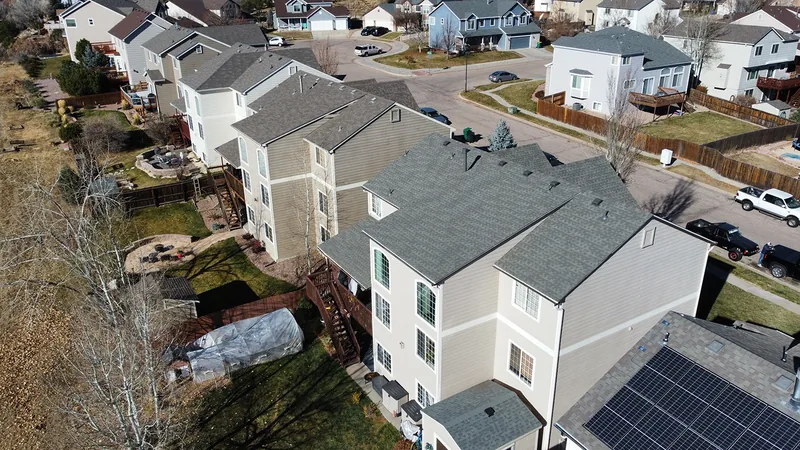
You found the house. The kitchen works, the yard is flat enough for a swing set, and the listing says the roof is "in good condition." Nobody can tell you how old it is. Before you sign anything that locks in the price, get four answers: the roof's real age, what a roofer sees up close, what your insurance agent will cover, and who pays if it needs replacing.

How do you find out how old the roof is?
Ask the seller in writing. You want the year the roof went on, the company that did the work, and whatever paperwork came with it. An invoice and a shingle warranty registration are the two most useful pieces. A seller who reroofed recently usually has a folder somewhere.
If the answer is "I don't know" or "it was here when we bought it," treat that as information. It usually means nobody kept records, and you should plan as if the roof sits at the older end of whatever range a roofer gives you.
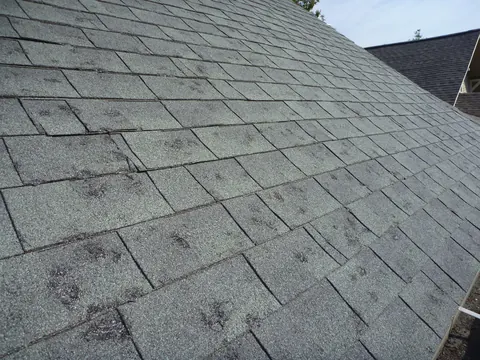
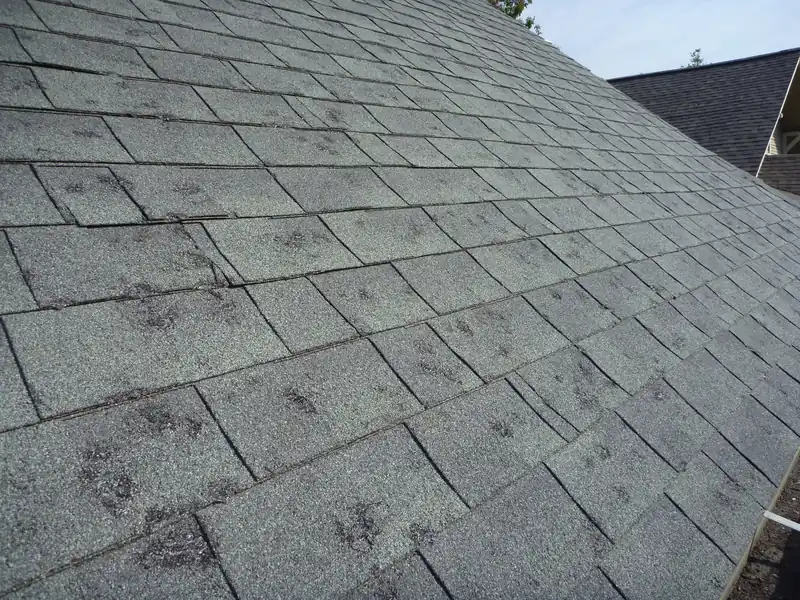
You can also look for yourself from the driveway. Granules piling up at the bottom of the downspouts, shingle edges curling up, patches that don't match the rest, a dip along the ridge line. Our post on seven signs a roof is near the end walks through each one.
Is the home inspector enough?
A home inspector looks at the whole house in a few hours, and the roof is one section of a long report. Some inspectors walk the roof. Others look from a ladder at the eaves or from the ground, depending on how steep it is and whether it's wet that morning. Their job is to flag problems. Pricing them isn't part of it.
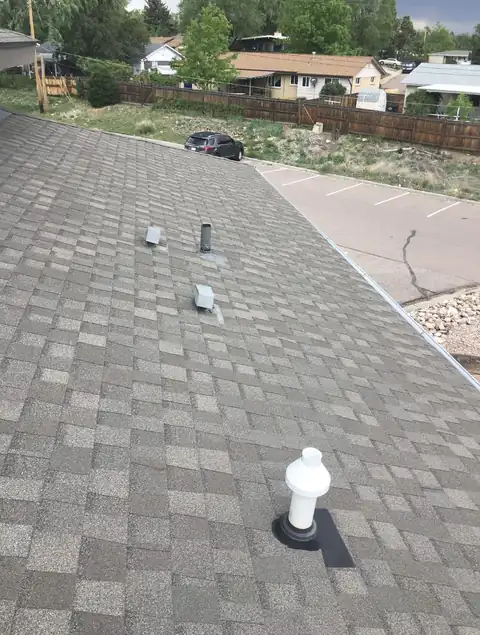
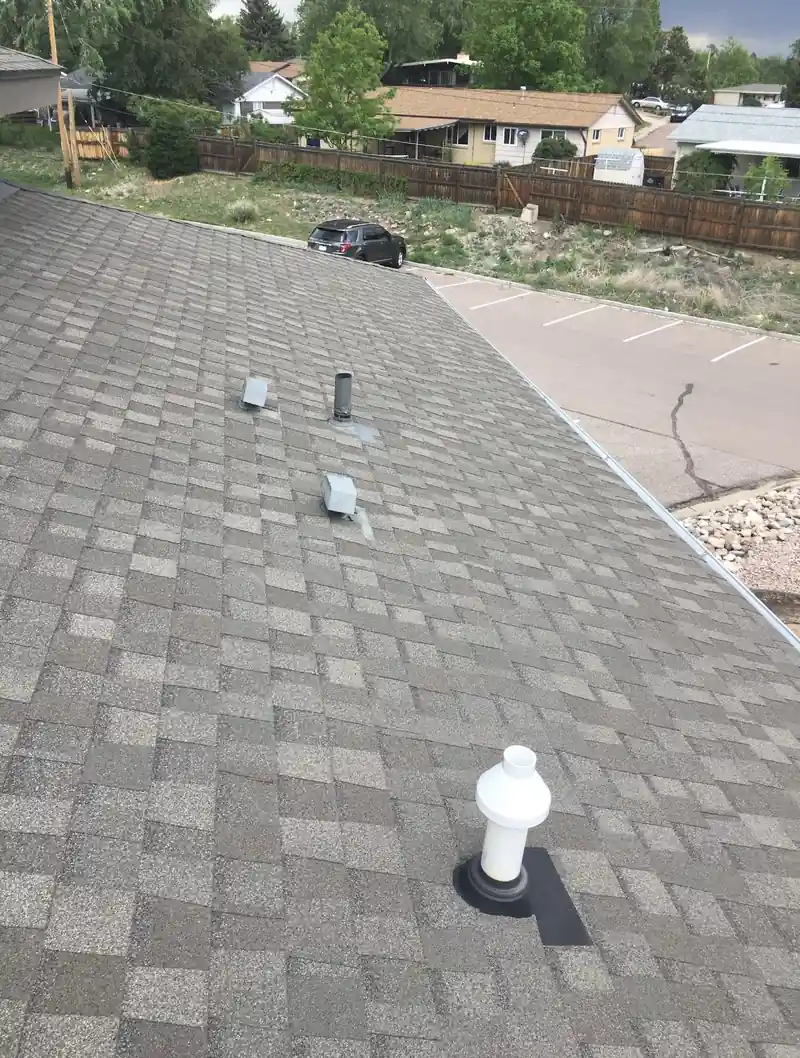
A roofer looks at nothing but the roof. On a roof that's safe to walk, a roofer checks the flashing where the roof meets the chimney and the walls, the rubber boots around plumbing pipes, the valleys, and whether the decking feels soft underfoot. A careful one also checks the underside of the decking from the attic for water stains and daylight.
If the inspector's report uses words like "near end of service life" or "recommend evaluation by a roofing contractor," get a roofer out before your inspection period runs out. That window is short, and once it closes, most of your leverage closes with it. We cover what that visit should include in what a roof inspection should cover before you buy a house, and you can book a free roof inspection with us.
Ask the roofer to put these in writing:
- How many years the roof likely has left, as a range
- Any repairs it needs now, each with its own price
- A rough price to replace the whole roof
- Photos of anything they flagged, so the seller can see it too
That replacement price is the number you'll negotiate with.
Should the seller replace it, or give you a credit?
There are two common ways a seller pays for an old roof. Each one has a catch.
The seller replaces it before closing
You move in under a roof you don't have to think about for a while. The catch is that the seller is choosing the roofer and the shingle, and they have every reason to take the lowest bid.
If you go this way, ask whose name the warranties will be in and whether they transfer to you. Get the roofer's written scope, so you know whether the old shingles were torn off and the flashing replaced.
A credit or a lower price
You get the money, or a lower price, and you pick the roofer, the shingle and the timing. The catch is that you move in under the old roof and pay for the job after closing. Ask your lender early how a seller credit is handled on your loan, since lenders set their own limits.
If the seller will agree to either one, we'd lean toward the credit. You're the one who'll live under that roof for years, so you should be the one choosing what goes on it. A roof replacement is easier to get right when the person picking the shingles is the person sleeping under them.
Call your insurance agent before you sign
This step gets skipped, and it can hold up a closing. According to the Insurance Information Institute, most insurers want a roof that's more than 20 years old to pass an inspection before they'll write the policy. Some insurers decline homes with older roofs outright. Others will cover the roof only at actual cash value, which means depreciation comes out of what they pay on a claim.
So call your agent with the roof's age, or your best guess. Ask two things: will they write the policy, and is the roof covered at replacement cost or actual cash value? If the answer is actual cash value, an old roof costs you twice. You pay once for repairs and again in a smaller check after a storm. That's worth putting in front of the seller.
Questions
Can I ask the seller to replace a roof that isn't leaking?
Yes. Everything is on the table before you sign, and a roofer's written report gives you something concrete to point to.
Will a few repairs buy me time instead?
Sometimes. If the roofer finds a cracked pipe boot or loose flashing on a roof that's otherwise sound, a repair may be all it needs. If the shingles themselves are worn out, patching just moves the next leak somewhere else.
What if the house is sold as-is?
Then the seller won't fix anything, and the price has to carry the roof. Get a replacement number from a roofer before you make your offer.