A roof inspection before buying a house should tell you, in writing, what shape the roof is in today, what it needs soon, and roughly what that will cost. A general home inspection often stops short of that. The gap is where buyers get surprised the first winter.
Doesn't the home inspector already check the roof?
Yes, but from a distance. The InterNACHI standards of practice, which plenty of home inspectors work from, have the inspector look at the roof covering, gutters, downspouts, vents, flashing and chimney "from ground level or the eaves."
The same standard spells out what the inspector isn't required to do. They don't have to walk on the roof. They don't have to predict how many years it has left. They don't have to confirm the shingles were fastened or installed right, and they don't have to run a water test.
That's not a knock on home inspectors. They cover the whole house in one visit, and the roof is one section of a long report. It just means a line like "roof appears serviceable" is a ground-level opinion, not a slope-by-slope look.
So what does a roofer add?
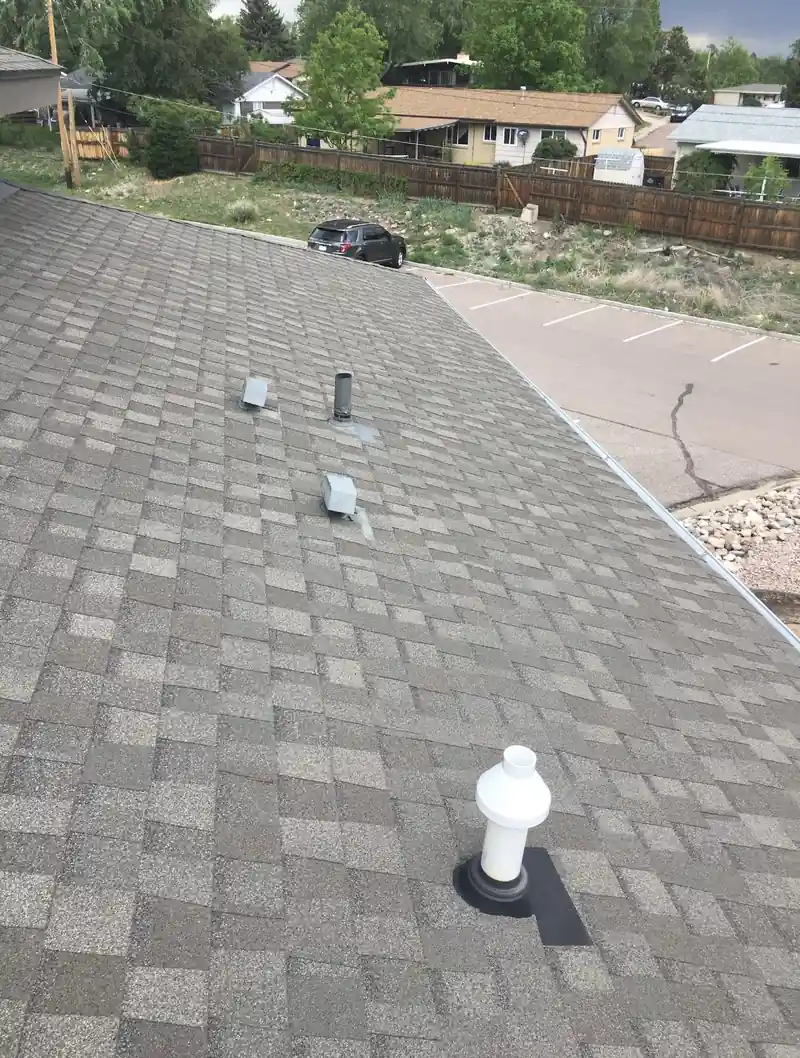
A roofer gets up on the roof when it's safe to walk, and then goes into the attic. Up top, they're checking things you can't judge from the driveway:
- Shingles that lift, crack or have shed their granules
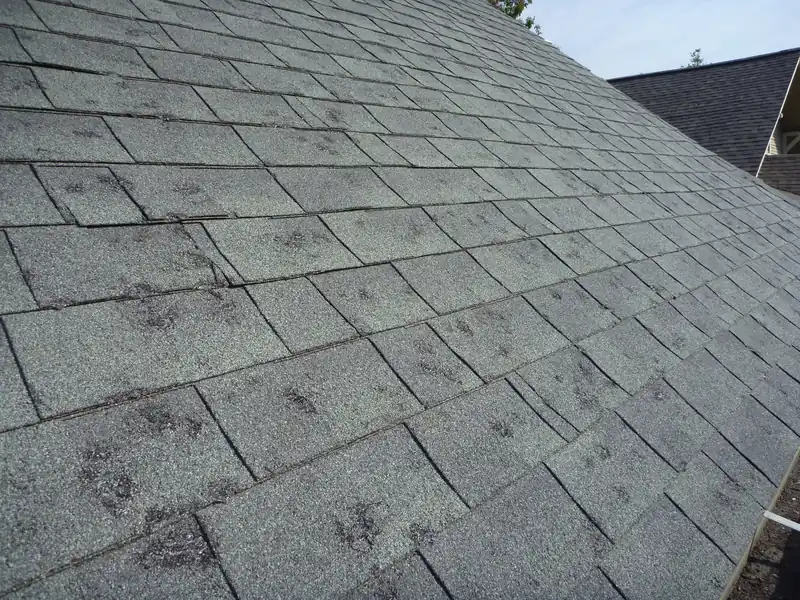
- Hail bruises, which feel soft when you press on them
- Flashing at chimneys, walls and pipe boots, where a lot of leaks start
- Soft spots underfoot, which usually mean rotted decking
- How many layers of shingles are on the house, since a second layer raises the replacement price
- Repairs somebody already made, and whether they were done well
In the attic, they look at the underside of the decking for water stains, daylight, mold and damp insulation. A dry attic after a rainy week tells you more than any one shingle does.
What should I ask the seller?
Ask early, while you're still inside your inspection period. In Tennessee the seller gives you a disclosure statement covering material defects they know about, unless you agree to take the house as is (Tenn. Code § 66-5-202). The same section says the form has to tell you that you may want expert advice or inspections. Take it at its word.
Beyond the form, these are worth asking in writing:
- When was the roof put on, and is there an invoice?
- Who installed it, and does any manufacturer warranty transfer to a buyer?
- Has it ever leaked? Where, and who fixed it?
- Has anyone filed an insurance claim on the roof?
- Is there more than one layer of shingles?
A seller who answers "I don't know" to all five isn't necessarily hiding anything. Lots of people bought the house with the roof already on it. It does mean the roofer's report has to carry more of the weight.
What should the roof report say in writing?
A good report reads like something you could hand to a second roofer and get a price from. Look for:
- The type of roof covering and an estimated age, plus how they arrived at that age
- Condition slope by slope, not one word for the whole roof
- Problem spots shown on photos, with a short note under each
- The number of layers
- What they found in the attic
- Repairs needed now, with a price for each one
- Whether they'd repair or replace, and roughly when
That last line is the one to push on. "Will need replacement eventually" isn't a plan. "Reseal the chimney flashing now, plan on a replacement within a few years, here's the price for both" is something you can take into a negotiation.
How do I use the report?
You've got three usual moves. Ask the seller to make the repair before closing, ask for a credit at closing, or lower your offer. Which one works depends on the market and on your agent's read of the seller.
Our opinion: if the report says the roof needs replacing soon, take the credit over a seller-done repair. The seller's goal is to close, so they have every reason to hire the cheapest roofer they can find. With a credit, you choose the roofer and the shingle, and you're the one who sees the work.
If the roof looks close to done, read seven signs a roof is near the end before you decide how hard to push, and buying a house with an older roof for the insurance side of it. The roof replacement page walks through what a full replacement includes.

When should the roofer come out?
Book the roofer the day the home inspection report mentions anything about the roof, or right away if nobody can tell you how old it is. You're working on a deadline, and roofers get booked up after storms. A free roof inspection costs you nothing, and it's easiest to schedule if you call as soon as the home inspector's report lands.
Questions
Can a roofer inspect the roof while the sellers still live there?
Yes, with the sellers' permission, usually arranged through the agents. The roofer needs a clear path to the attic hatch and a dry day to walk the roof safely.
What if the roof is too steep to walk?
A roofer can still look closely from a ladder at the eaves and from inside the attic. The report should say which slopes they couldn't reach, so you know what wasn't seen.
Should I get a roofer's report even if the home inspector found nothing?
If you can't see the whole roof from the ground, we'd say yes.