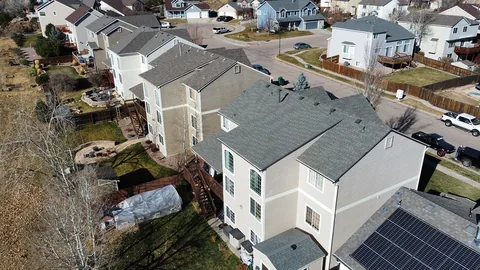
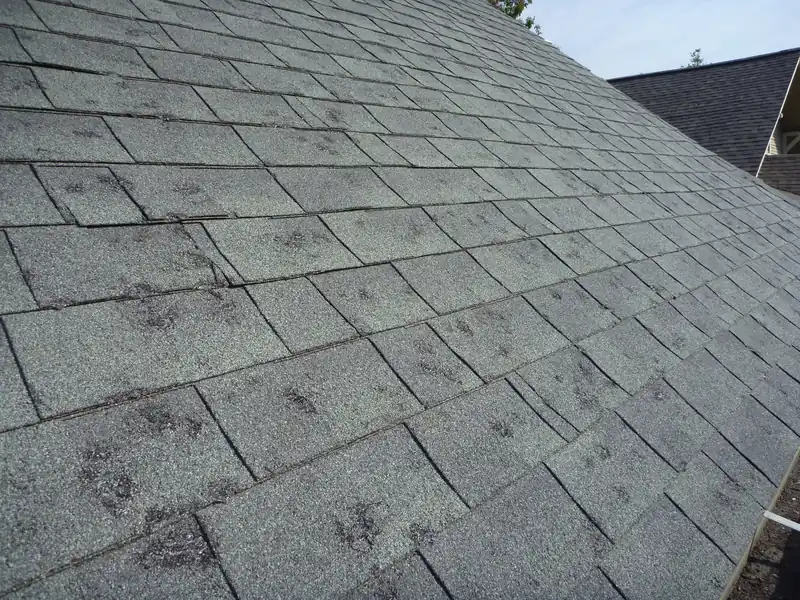
Hail hurts a shingle by knocking off granules and bruising the mat underneath, and from the driveway you usually can't see it. What you can see are the dents it leaves on the softer metal around your house. That's where to start.
When does hail come here?
The National Weather Service office in Morristown says large hail is most common in the southern Appalachians and the Tennessee Valley in springtime, when the upper air is colder (NWS Morristown severe weather guide). The weather service calls hail severe at one inch across, about the size of a quarter. The guide gives these comparisons:
| Hail about the size of | Diameter |
|---|---|
| A quarter | 1 inch |
| A ping pong ball | 1.5 inches |
| A golf ball | 1.75 inches |
| A lime | 2 inches |
| A tennis ball | 2.5 inches |
The Storm Prediction Center calls hail of at least 2 inches "significant severe" (SPC FAQ). Stone size isn't the only thing that matters, though. The age and condition of your roof matter too.
What a hail hit looks like
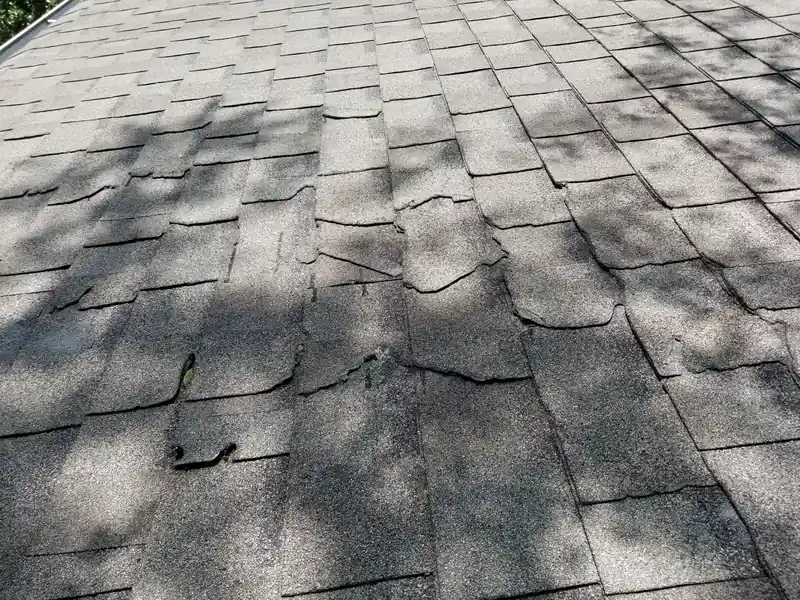
Up close, a shingle that took hits shows some of these:
- Round dark spots where the granules got knocked off and the asphalt underneath shows through.
- Soft spots you can feel when you press, like a bruise on an apple.
- Cracks or breaks where a stone struck.
- Hits scattered in a random pattern, heavier on the slopes that faced the storm.
- Ridge caps that took it worse than the rest of the roof.
The Insurance Institute for Business and Home Safety lists the same signs in its hail damage checklist, and it calls out ridge caps as especially vulnerable on an asphalt shingle roof (IBHS, Is it hail damage?).
What isn't hail
Plenty of wear looks like hail and isn't. IBHS names several look-alikes: granule loss along the edges of shingles from normal weathering, wear or discoloration that's even across the roof, manufacturer defects, and marks left by installation or tools. It also notes heavy rain can knock granules off.
So one bare spot doesn't make a hail roof. The pattern does. You're looking for hits that are round, random and soft, backed up by dents on the metal.
Bruises versus wind creases
A storm that brings hail often brings wind, and they leave different marks. Hail leaves round bruises across the face of a slope. Wind lifts tabs, breaks the seal along their bottom edge and creases shingles straight across where they folded back. It pulls shingles off at the corners and along the ridge, and you'll find the pieces in the yard.
The difference matters when you talk to your insurer, since the adjuster has to name a cause. Before the visit, read your policy's declarations page so you know which deductible applies to wind and hail. Here's more on what spring wind does to a roof.
Check the soft metal first
IBHS says to start with collateral evidence: spatter marks or dents on A/C units, gutters, metal flashing, downspouts and even patio furniture. Damage on those confirms hail actually fell, which helps separate a hail roof from an old one.
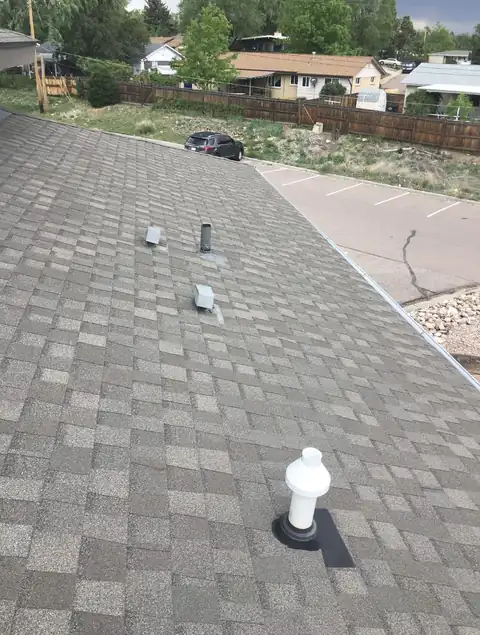
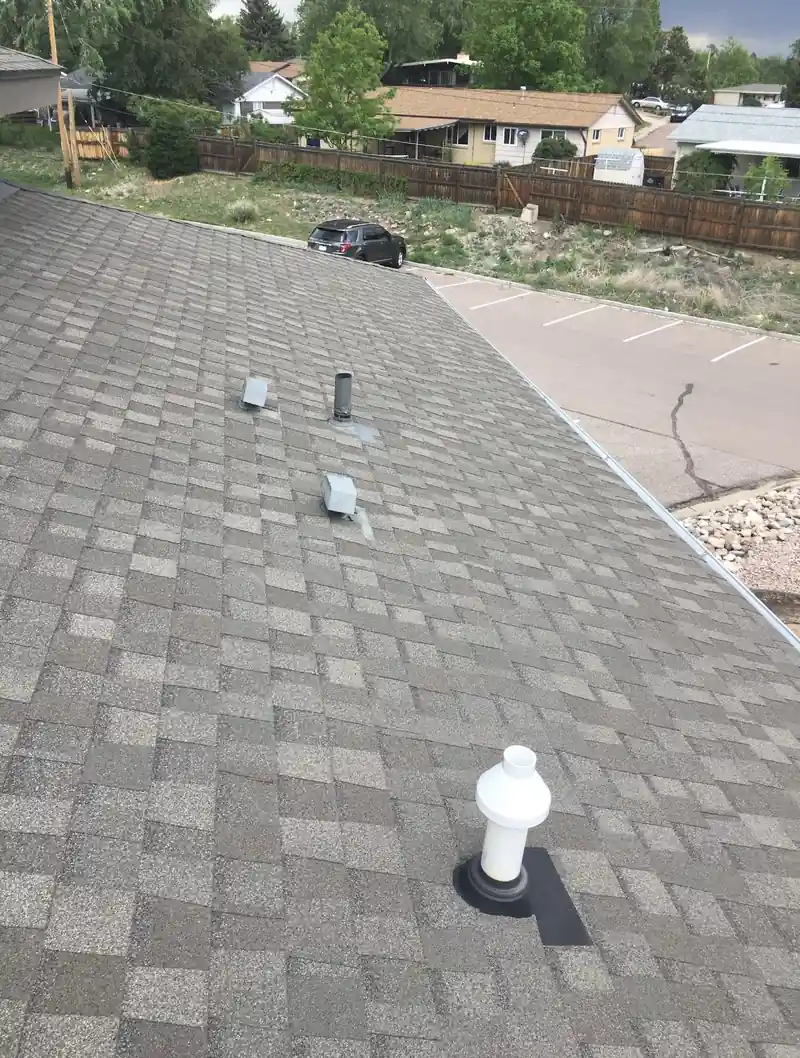
You can check all of that from the ground. Look along the tops of the gutters, down the downspouts, at the fins on the A/C unit, the roof vents you can see from the yard, the mailbox, and the hood of any car that was parked outside.
Write down the date and the time the hail fell while you still remember it. If the neighbors' cars or gutters got hit too, that's worth noting as well.
What to photograph before you call your insurer
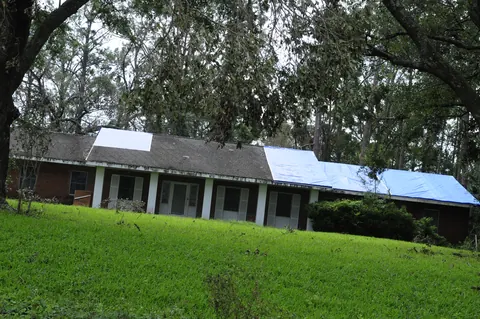
Tennessee's Department of Commerce and Insurance tells people with storm damage to document it with photographs or video and to file a claim as soon as possible. It also says not to have permanent repairs made until the insurance company has inspected and you've reached an agreement on the cost (TDCI storm recovery tips).
A list worth working through with your phone:
- Hailstones, if you can get to them before they melt, next to a quarter or a ruler.
- Each side of the roof from the ground, with the date on the photo.
- Dents in the gutters, downspouts, A/C unit and mailbox.
- The car, if it was outside.
- Shingle bits or loose granules in the yard and at the bottom of the downspouts.
- Anything wet inside the house.
Stay off the roof. Pressing on shingles to feel for bruises is a job for someone in a harness who has felt plenty of them. A free roof inspection gets that done, and our page on how roof insurance claims work walks through the steps with your insurer.
Impact-resistant shingles
Shingles sold as impact resistant are tested under a standard called UL 2218. For its top rating, Class 4, a 2-inch steel ball is dropped from 20 feet onto the shingle, and a Class 4 shingle shows no splits or tears (CertainTeed on impact-resistant shingles). A steel ball in a lab isn't a real hailstone, so a Class 4 roof can still get marked in a bad storm. It's tougher, not hail-proof.
Our opinion: if you're replacing a roof anyway, Class 4 shingles are worth pricing next to the standard line. Then call your insurance agent and ask whether your carrier gives anything for a Class 4 roof, before you count on it. Here's more on shingle upgrades worth asking about.
Questions
How big does hail have to be to damage a roof?
There's no single number. The weather service calls one inch severe, but the age and condition of your shingles matter too.
Can I wait and see if the roof starts leaking?
You can, but a bruised shingle doesn't leak on day one. Damage that only shows up as a leak a year later is harder to tie to one storm, so get it looked at while the dents and the date are fresh.
How long do I have to report hail damage?
Your policy sets the deadline, so read it. Tennessee's insurance department says to file as soon as possible.